
You’re about to make a crucial business decision. Your phone hasn’t stopped buzzing. Three meetings ran over, your inbox is exploding, and that board presentation is tomorrow. Your chest feels tight, your thoughts are scattered, and every option seems equally risky.
Sound familiar?
Here’s what most leaders don’t realize: your nervous system state directly determines the quality of your decisions. When you’re dysregulated : stuck in fight, flight, or freeze : your prefrontal cortex goes offline. The part of your brain responsible for strategic thinking, creative problem-solving, and clear judgment literally shuts down.
But here’s the game-changer: you can shift from chaos to clarity in just five minutes.
This isn’t about meditation retreats or hour-long yoga sessions. This is about practical, science-backed techniques that busy leaders use to access their best thinking when it matters most.
Why Your Nervous System Holds the Keys to Better Leadership
Think about your last great business decision. I’m willing to bet you weren’t panicking when you made it. You were probably calm, centered, maybe even energized : but not frantic.
That’s your regulated nervous system at work.
When you’re regulated, several things happen simultaneously:
- Your heart rate variability improves, signaling optimal nervous system function
- Stress hormones like cortisol decrease, allowing for clearer thinking
- Your vagus nerve activates, promoting the “rest and digest” state where innovation thrives
- Blood flow returns to your prefrontal cortex, restoring executive function
The result? You make decisions from wisdom rather than reactivity. You see opportunities instead of just threats. You lead from presence instead of pressure.
The 5-Minute Rule Isn’t About Time : It’s About Physiology
Your nervous system doesn’t need hours to shift. It needs the right inputs delivered consistently. Just two minutes of intentional breathing can lower your heart rate and increase vagal tone. Three minutes of targeted movement can discharge accumulated tension and reset your stress response.
The magic happens when you combine physiological down-regulation with attentional redirection : essentially interrupting the spiral of overwhelm and creating space for your natural intelligence to emerge.
The Physiological Sigh: Your Emergency Reset Button
This is the technique I teach every CEO and founder I work with first. It’s elegant, invisible, and devastatingly effective.
Here’s how it works:
Sit comfortably with your feet on the ground. Place one hand on your chest, one on your belly. Inhale slowly through your nose for four counts, letting your belly rise while keeping your chest relatively still.
Now here’s the key: exhale through your nose or mouth for six to eight counts : making your exhale significantly longer than your inhale.
Repeat this five times, focusing completely on the length of your exhale.
Why this works: Extended exhales directly stimulate your vagus nerve and engage your parasympathetic nervous system. Within minutes, your heart rate slows, stress hormones decrease, and your brain gets the all-clear signal to come back online.
Use this before important calls, after difficult conversations, or anytime you notice tension building in your body. Your team won’t even know you’re doing it.
The 4-7-8 Reset: Ancient Wisdom Meets Modern Neuroscience
When you need something stronger : think before a board presentation or after receiving unexpected bad news : try the 4-7-8 breathing pattern.
Inhale for four counts. Hold for seven counts. Exhale slowly for eight counts. Repeat this cycle three to four times.
The science: This specific rhythm increases parasympathetic activity while decreasing sympathetic arousal. The extended hold and exhale create a powerful relaxation response that’s particularly effective during acute stress or anxiety.
I’ve watched this technique transform leaders who were spiraling before major presentations into calm, confident communicators within minutes.
Movement as Medicine: The Discharge Practice
Sometimes your nervous system needs movement more than stillness. When you’re feeling restless, agitated, or “wired but tired,” try this discharge sequence.
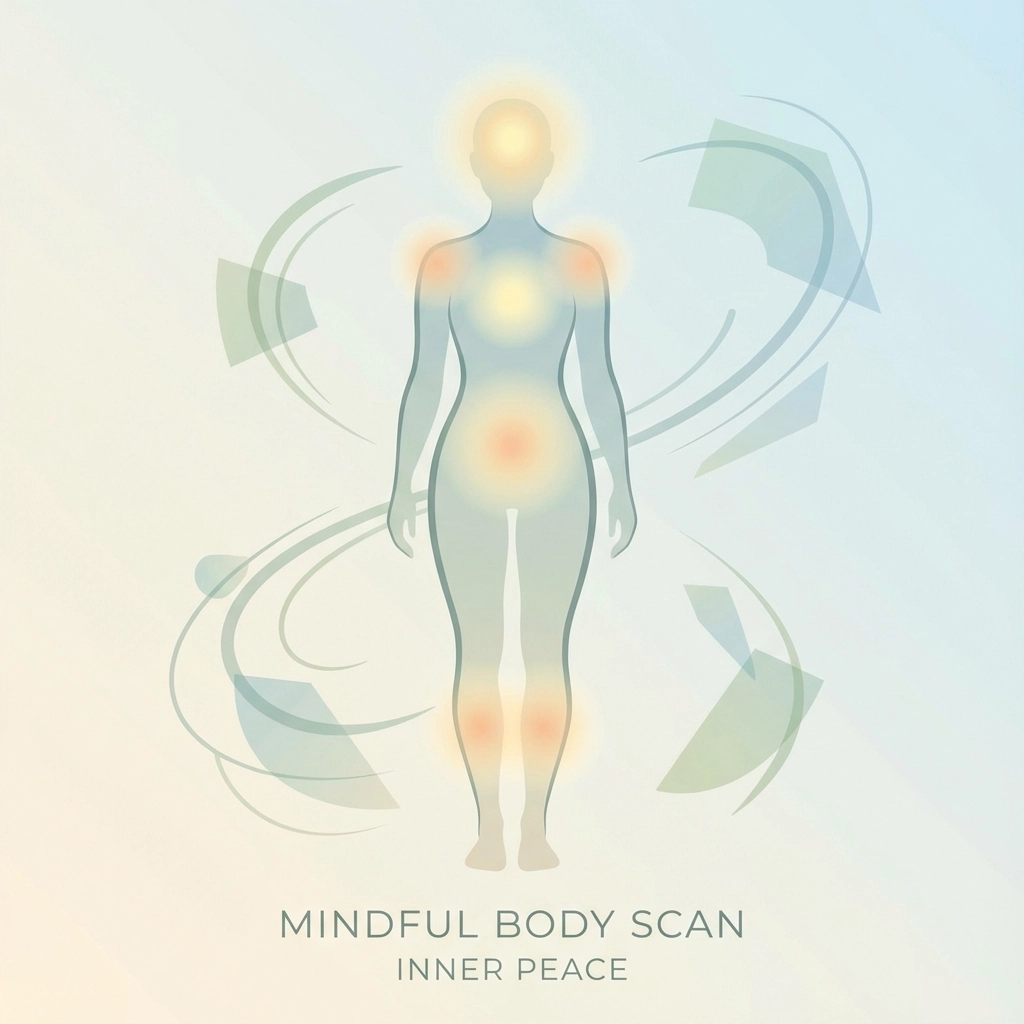
Stand with your feet hip-width apart. Begin to gently shake your arms, letting the movement be natural and spontaneous. Add your legs, your torso, even your head if it feels good.
Gradually increase the intensity for two minutes, then slowly decrease and come to stillness. Stand quietly for 30 seconds and notice the sensations in your body as it settles.
Why this matters: Shaking is your nervous system’s natural way of discharging excess energy and tension. Animals do this instinctively after escaping predators. We’ve largely trained ourselves out of this wisdom, but we can reclaim it.
This practice is particularly powerful after high-stress meetings or when you’re feeling emotionally charged about a situation.
The Body Scan Sprint: Mindfulness Without the Overwhelm
Full-body awareness in five minutes? Absolutely.
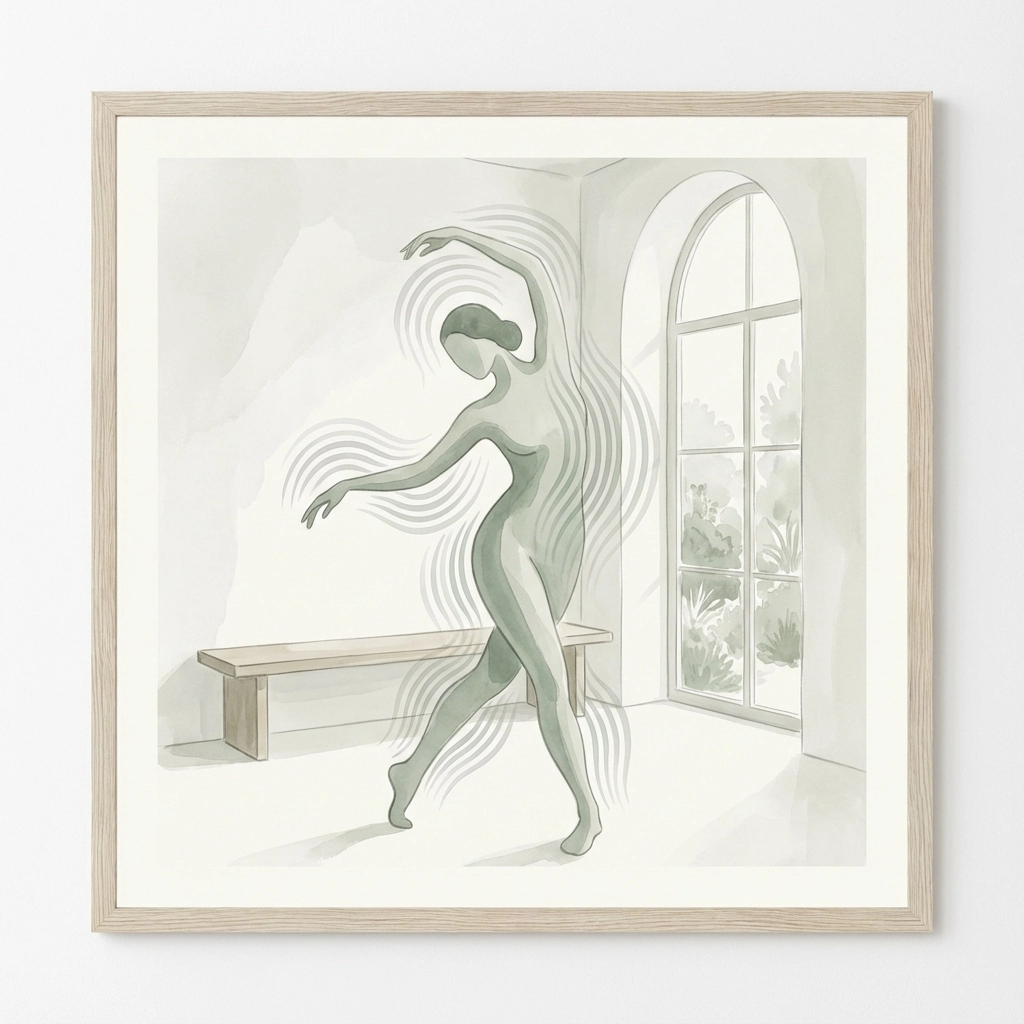
Start seated or lying down. Spend 30 seconds at each body region: feet, legs, pelvis, torso, arms, shoulders, neck, and head.
Don’t try to change anything. Just notice what’s there : tension, warmth, tingling, numbness, whatever arises. When you find areas of tension, breathe into them without judgment. When your mind wanders (and it will), gently return to the next body region.
The payoff: This rapid body scan trains your attention flexibility while decreasing the emotional charge of physical sensations. You’re essentially giving your nervous system a quick systems check while restoring cognitive control.
Use this technique when you’re feeling disconnected from your body or when mental chatter is drowning out your intuition.
Strategic Stretching: Movement with Intention
Your body holds your stress. Strategic movement releases it.
Try this sequence:
- Three slow shoulder rolls forward, three back
- Gentle neck stretches : 15 seconds each side
- Five slow squats, breathing in as you lower, out as you rise
- Spinal twists : 30 seconds each direction while seated
The integration: Sync your breath with each movement. This isn’t just physical release : you’re providing interoceptive signals that your brain interprets as safety. You’re literally moving from a state of threat into a state of flow.
These micro-movements work especially well between meetings or when you’ve been sitting for extended periods.
The Connection Cure: Why Relationships Regulate
Here’s something most productivity advice misses: human connection is one of the fastest ways to regulate your nervous system.
A two-minute conversation with a trusted colleague. Eye contact during your next team meeting. Even a quick video call with someone who genuinely cares about your wellbeing.
The neuroscience: Social connection releases oxytocin and activates your social engagement system : a branch of your nervous system specifically designed to help you feel safe through relationship. When you feel genuinely seen and heard, your entire system downregulates naturally.
This is why isolation during high-stress periods often backfires. Your nervous system needs connection to remember it’s safe.
Integration: Making This Your Leadership Advantage
The leaders who consistently make great decisions aren’t the ones who never feel stress : they’re the ones who know how to regulate quickly and return to their center.
Start with one technique. Practice it daily for a week, even when you don’t “need” it. Build the neural pathway when you’re calm so it’s available when you’re not.
Notice which techniques resonate with your body and your schedule. Some leaders love the physiological sigh because it’s invisible in meetings. Others prefer the discharge practice because they spend too much time sitting.
The real secret: Nervous system regulation isn’t a life hack : it’s a leadership skill. When you can access calm clarity in the middle of chaos, you model emotional regulation for your entire organization. You make better decisions, see more possibilities, and lead from your highest wisdom rather than your survival instincts.
Your nervous system is always listening. The question is: what are you teaching it?
Ready to experience what regulated leadership feels like? Start with the physiological sigh right now. Five breaths. Notice what shifts. Your future decisions : and your team : will thank you.
For more practical tools and immersive practices that help leaders build from inner alignment, explore our programs at Innerpreneurship.