
You’ve been running on empty for months now. Maybe years.
You tell yourself it’s temporary, just until this launch, just until the next quarter, just until things settle down. But here’s the uncomfortable truth I’ve learned after burning out spectacularly as a high-achiever: things don’t just “settle down.” We have to create the settlement.
The old paradigm of success, the one that glorifies the grind and celebrates exhaustion, isn’t just unsustainable. It’s destroying the very thing it promises to build: lasting impact and fulfillment.
The Real Cost of Unsustainable Success
Before we dive into solutions, let’s get honest about what’s actually happening when you’re running your business (and life) from a place of depletion.
Your nervous system, the command center that governs everything from decision-making to creativity, gets stuck in survival mode. When you’re chronically stressed, your brain literally cannot access the higher-order thinking required for strategic leadership. You’re making decisions from fight-or-flight, not from wisdom.
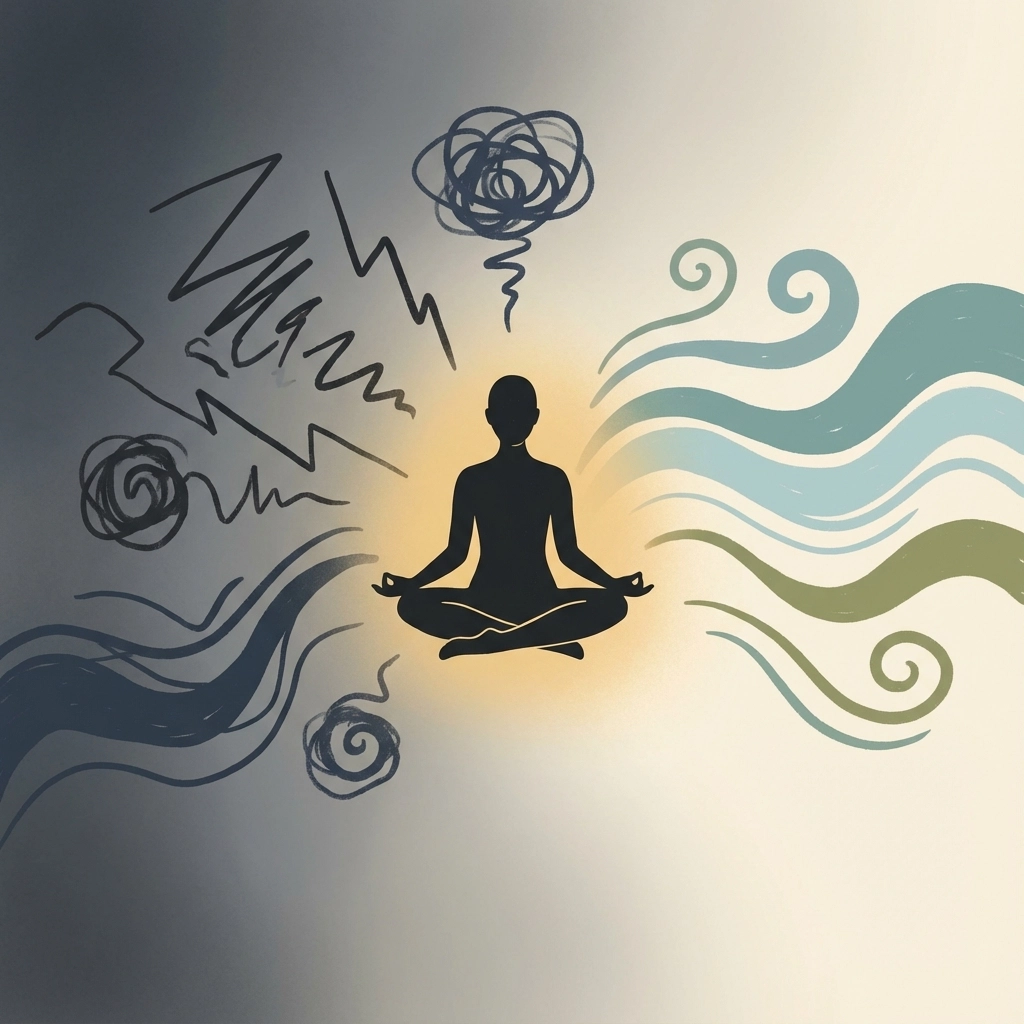
I learned this the hard way when I found myself snapping at my team over minor issues, unable to see solutions that were right in front of me. My business had become a mirror reflecting my internal chaos back at me, and it wasn’t pretty.
Life Work Balance: The Foundation Shift
Notice I didn’t say “work-life balance.” That’s intentional.
The traditional concept puts work first, then tries to squeeze life around it. But what if we flipped that completely? What if life came first, and work supported life?
This isn’t about working less (though you might). It’s about working from a place of alignment rather than depletion. When your nervous system is regulated, when your energy is protected, when your values are clear, your work becomes an extension of who you are, not something that drains who you are.
The shift looks like this:
- Morning alignment practices before checking email
- Boundaries that actually protect your energy
- Decision-making from clarity, not reactivity
- Rest as a strategic advantage, not a luxury
Your Belief Audit: What Stories Are Running Your Business?
Here’s a question that changed everything for me: Whose voice is that, really?
When you hear yourself saying “I have to work weekends” or “I can’t delegate that” or “If I don’t do it, it won’t get done right”, pause. Where did those beliefs come from?
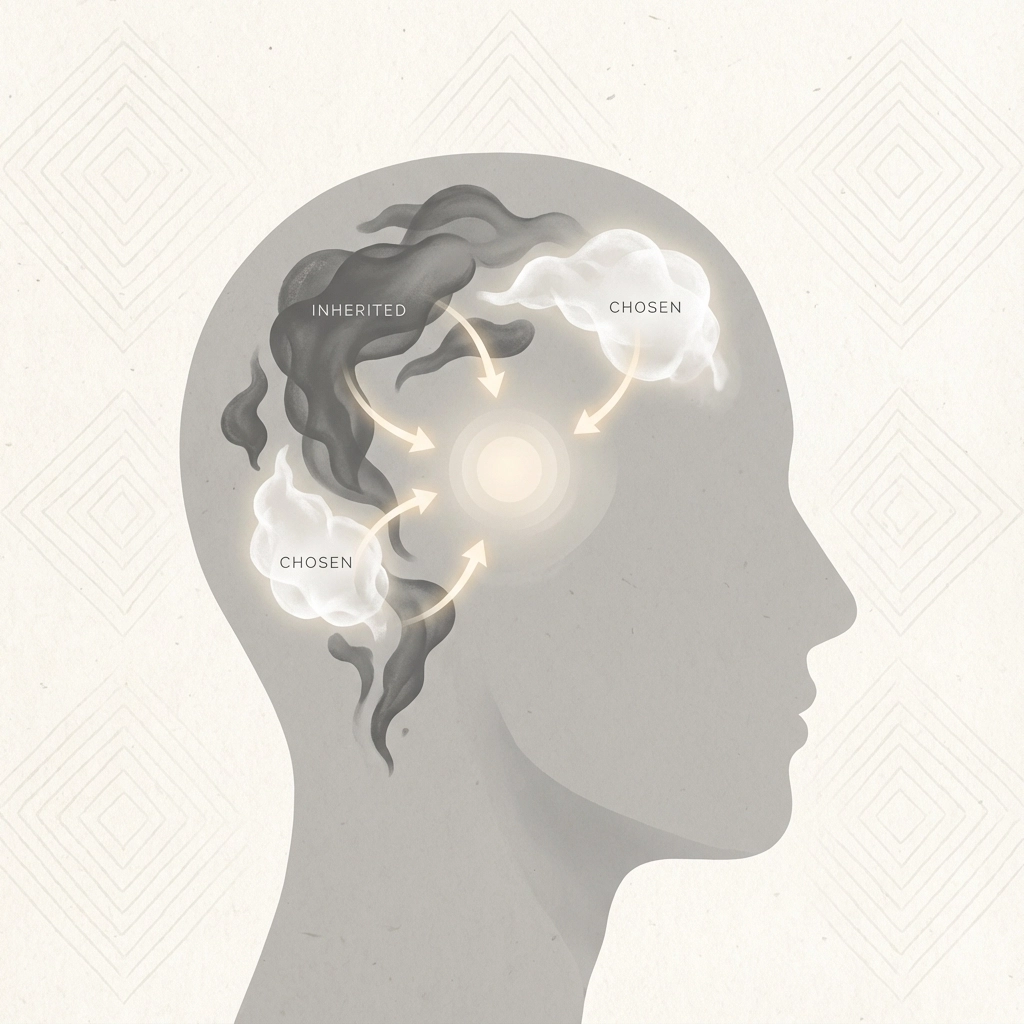
Most of our operating beliefs about success, leadership, and worth weren’t consciously chosen. They were inherited, from family, culture, early career experiences. And many of them are keeping you trapped in unsustainable patterns.
Try this belief audit exercise:
- Write down three beliefs you have about what it takes to be successful
- For each one, ask: “Whose voice is this?”
- Then ask: “Is this actually true?”
- Finally: “What would I choose to believe instead?”

The goal isn’t to judge your inherited beliefs, but to become conscious of them so you can choose different ones if they’re not serving you.
Creating Your North Star Statement
Without clear direction, any path feels urgent. This is why so many busy leaders feel simultaneously overwhelmed and directionless, they’re reacting to everything because they’re not clear on anything.
Your North Star statement is a one-sentence declaration of your core purpose that cuts through the noise of daily decisions. It’s not your mission statement or your elevator pitch. It’s your internal compass.
Mine is: “I help high-achievers build sustainable success from the inside out.”
Every opportunity, every request, every decision gets filtered through this. Does it align with helping people build sustainable success from the inside out? If not, it’s probably a no.
To craft yours:
- What transformation do you most want to create in the world?
- What’s the change that would matter most if you achieved nothing else?
- How would you complete this sentence: “I exist to…”
Keep refining until you have something that makes you sit up straighter when you read it.
Your Business as a Mirror
This might be the most important concept in this entire guide: your business will always reflect your internal state.
If you’re scattered, your business operations will be chaotic. If you’re people-pleasing, your boundaries will be weak. If you’re driven by fear, your decision-making will be reactive.
But here’s the empowering flip side: when you do the inner work, your external results transform almost automatically.
Common mirror patterns I see:
- Boundary issues in life → clients who don’t respect your time
- Perfectionism tendencies → projects that never feel “ready”
- Fear of delegation → bottlenecks that limit growth
- Lack of self-care → team members who burn out
The solution isn’t more strategy. It’s looking at what your business challenges are trying to tell you about your inner landscape.
Nervous System Practices That Actually Work
Your nervous system is either your greatest asset or your biggest liability as a leader. When it’s regulated, you make clear decisions, communicate effectively, and inspire confidence. When it’s dysregulated, everything feels harder than it needs to be.
The 90-Second Morning Reset:
Before opening your laptop, try this:
- Close your eyes and take three deep breaths
- Visualize your day unfolding with ease and flow
- Set an intention for how you want to show up
- Practice 4-7-8 breathing (inhale for 4, hold for 7, exhale for 8) three times
This isn’t woo-woo. It’s nervous system regulation that primes you for clarity instead of reactivity.
The Midday Recalibration:
When you notice tension building:
- Step away from screens for 2-3 minutes
- Look at something green (a plant, out the window)
- Ask yourself: “What does my body need right now?”
- Honor that need, even if it’s just a glass of water or two minutes of stretching
The Practice of Returning
Here’s what I wish someone had told me earlier: mastery isn’t about never getting off track. It’s about getting really good at returning to alignment.
You will have days when you fall back into old patterns. You’ll check email first thing in the morning, say yes to things you should decline, or work late when you promised you wouldn’t. That’s not failure: that’s being human.
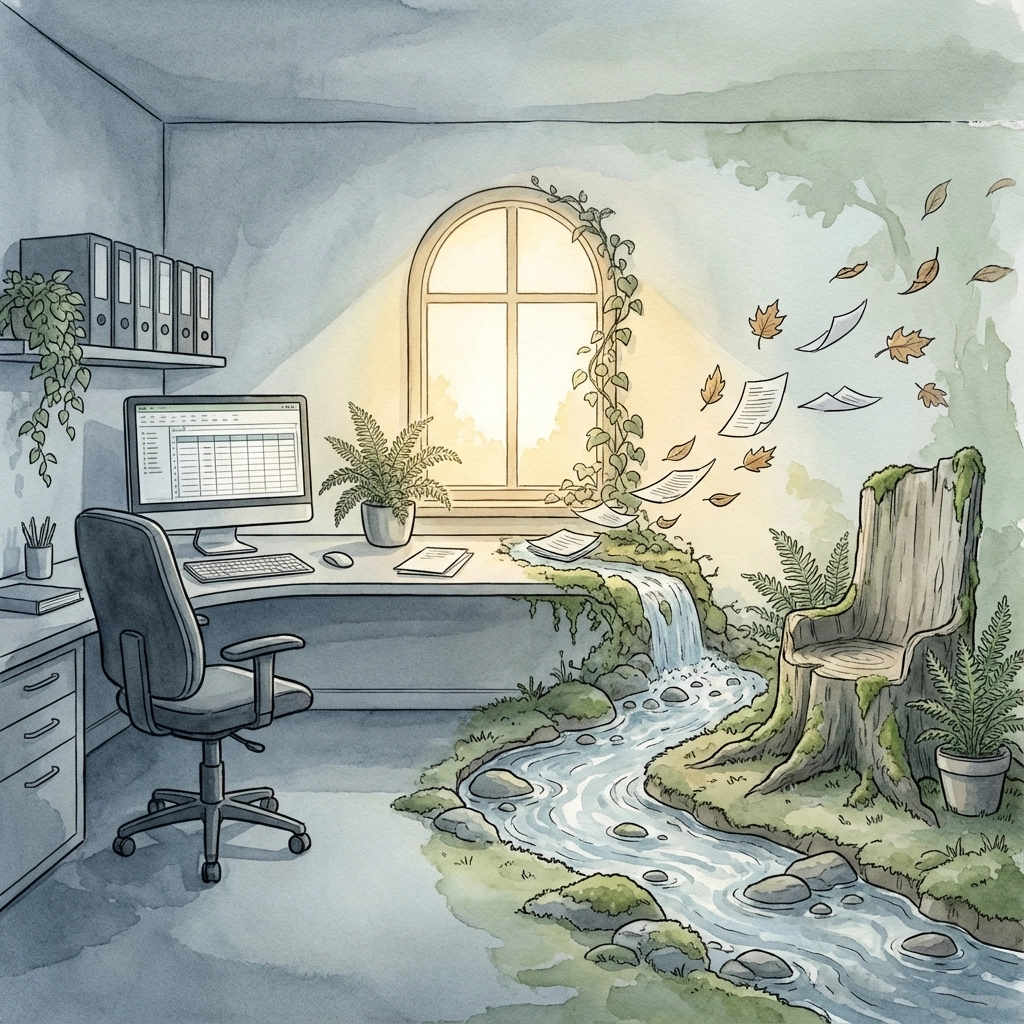
The practice is in the returning. Notice what happened. Get curious about the trigger. Make a different choice next time. And celebrate the awareness, because awareness always precedes choice.
Sustainable Daily Rhythms
Your daily rhythms either compound into burnout or build resilience over time. Small, consistent practices matter more than dramatic overhauls.
Morning Foundation (10 minutes):
- Alignment practice before technology
- Movement that feels good to your body
- Nutrition that supports steady energy
Workday Boundaries:
- Start and stop times you actually honor
- Regular breaks that restore rather than deplete
- One task at a time (multitasking is a nervous system stressor)
Evening Wind-Down:
- Technology cutoff time
- Three things you’re grateful for from the day
- One thing you’re proud of accomplishing
Integration Over Information
You don’t need more strategies. You need to actually implement the ones that resonate.
Pick one or two practices from this guide and commit to them for the next 30 days. Not perfectly: consistently. Notice what shifts when you prioritize your inner alignment alongside your outer goals.

Remember: sustainable success isn’t about finding the perfect balance. It’s about building the resilience and clarity to navigate whatever comes with grace.
Your business: and your life: will thank you for making this shift. More importantly, the version of yourself six months from now will thank you for starting today.
The path forward isn’t about working less or caring less. It’s about working and caring from a place of fullness rather than emptiness. That’s where true sustainability: and lasting success( begins.)